Nobody plans to move during the monsoon. But India's monsoon season — June to September — does not wait for your lease agreement to end, your job joining date to shift, or your new home to become available in October.
Every year, hundreds of thousands of families consider moving during monsoon season in India – and most of them are unprepared for what that actually means. Some lose electronics worth ₹30,000 to water damage on a single afternoon. Some wait three extra days for a truck stuck on a flooded highway. Some pay 20% more because they booked a mover who was not monsoon-ready.
All of this is avoidable — if you know what to do.
Here are 11 things you absolutely must do for moving during monsoon season in India – before, during, and after.
Why Monsoon Moves Are Riskier Than You Think
Before the tips, let us be honest about what you are dealing with.
Cardboard boxes — the standard packing material for every mover in India — become dangerously fragile within minutes of sustained humidity. Moisture can soften carton boxes, which can melt while reaching the destination, ultimately affecting the goods kept inside. Electronics, solid wood furniture, MDF wardrobes, upholstered sofas, books, artwork, and important documents are all at serious risk.
The key risks — water damage, slippery surfaces, and transport delays — can be minimised with waterproof packing materials, enclosed trucks, route planning, and transit insurance.
The good news: every single one of these risks is manageable. Here is exactly how.
The 11 Things You Must Do
1. Book Your Mover at Least 2–3 Weeks in Advance
This is the most important tip on this list — and the one most people ignore.
During monsoon season, demand for reliable packers and movers spikes sharply while availability shrinks. Companies with waterproof vehicles and trained rain-season crews get booked out fast. If you call a mover three days before your move date in July, you will either find no availability or end up with whoever is left — and whoever is left in peak monsoon season is rarely your best option.
Book early. Confirm in writing. Ask specifically whether the company has monsoon-ready equipment.
2. Use Double-Layer Waterproof Packing — Not Just Cardboard
Standard cardboard boxes are not monsoon-safe. Full stop.
Professional monsoon packing goes several layers deeper: silica gel sachets inside boxes containing electronics, books, wooden frames, and fabrics to absorb ambient moisture. Heavy-duty bubble wrap taped shut at every seam. Double-walled corrugated cartons sealed with waterproof tape along all edges. Reinforced polythene tarpaulins draped over the entire truckload were secured with ratchet straps.
Ask your mover specifically whether they carry silica gel sachets, waterproof tape, and stretch film. If they look confused by the question, find a different mover.
3. Insist on an Enclosed Truck — No Exceptions
This is non-negotiable during monsoon season.
Open vehicles are a complete no-go during monsoon. Many budget movers in India use open-top tempos — cheaper for them, catastrophic for your belongings in the rain. An enclosed, covered vehicle is the only acceptable option between June and September. Confirm this in your written contract before you pay a single rupee.
4. Separate Water-Sensitive Items Before Packing Begins
Not everything needs the same level of protection. Sorting your belongings before packing saves time, money, and anxiety.
Water-sensitive items like TVs, computer appliances, books, wooden furniture, artwork, and photographs should be packed using plastic sheets. Water-resistant items like plastics, utensils, sportswear, and durable furniture can be shifted even without additional covers.
Create two categories before your mover arrives. Mark every water-sensitive box clearly with "KEEP DRY" using a waterproof marker—and cover the label with clear tape so it does not smear in the rain.
5. Check the Weather Forecast — And Have a Backup Date
India's monsoon is predictable in its season but unpredictable by the hour. A move planned for a Tuesday can walk into a red-alert day that brings the city to a standstill.
Keep a backup date in case of very heavy rain. Planning ahead gives you time to manage everything properly. Check the India Meteorological Department (IMD) forecast at imd.gov.in for your city at least 3–5 days before your move date. If a red or orange alert is forecast for your move day, reschedule if you can.
Ask your mover upfront whether their booking includes a free reschedule for weather-related delays. Any mover who charges a penalty for a weather cancellation on a red-alert day is not a mover worth booking.
6. Load Water-Sensitive Items Last – Unload Them First
The order of loading matters enormously during a monsoon move.
To minimise exposure to rain, load water-sensitive items at the end. After reaching the destination, unload these items first. This limits the time your most vulnerable belongings spend exposed to humidity and reduces the number of loading-to-truck transfers they go through.
Communicate this sequence clearly to your moving crew before they begin. Do not assume they will follow it automatically.
7. Protect MDF and Engineered Wood Furniture Specially
This is a detail most guides skip — and it costs people thousands of rupees every monsoon.
Furniture made from MDF, particleboard, or engineered wood is particularly vulnerable to moisture. Solid wood warps. Upholstered sofas develop mildew. Your IKEA wardrobe, your modular kitchen, your TV unit — all of these are typically made from MDF or particleboard and will swell, warp, or delaminate if exposed to sustained moisture.
Cover every piece of MDF furniture in stretch film — not just a plastic sheet loosely draped over it. Every seam and edge must be sealed. If your mover does not know how to do this, find one who does.
8. Pre-Check Your New Home for Leaks Before Moving Day
This tip alone can save you a ruined sofa.
Inspect every corner of the house and check for water leaks. Seeping of water through pipelines, ceilings, and walls is common in a newly constructed home. Such issues are identified only during monsoon season.
Visit your new home at least a week before your move during a rain spell. Check ceilings, windowsills, external walls, and the area around air conditioner units. Fix any leaks before a single box enters the house — because water damage to your belongings inside a new home on day one is a nightmare that is entirely preventable.
9. Verify GPS Tracking on Your Truck Before It Leaves
Monsoon moves often take longer than planned. Roads flood. Trucks get delayed. Highway diversions add hours.
Track your move in real time using GPS-enabled moving services. Before your truck leaves your old home, confirm that the mover has GPS tracking active and that you have access to the tracking link or app — not just the mover. On a monsoon intercity move, knowing your truck's real-time location is not a luxury. It is peace of mind you cannot get any other way.
All transporters on ShiftEazy's verified network carry GPS-enabled vehicles on intercity routes.
10. Take Out Transit Insurance – And Read the Policy
Monsoon season is the one time of year when transit insurance goes from "optional" to "essential."
Moving during monsoon season in India is safe if you plan properly and use professional packers and movers experienced in rainy-season relocations. But even with perfect planning, road accidents, flash floods, and truck breakdowns are genuine risks between June and September.
Always ask for the actual insurance policy document — not just a receipt showing you paid for insurance. Verify the coverage amount, the insurer's name, and the claim process before moving day. A policy that covers ₹50,000 worth of goods when you own ₹3 lakhs worth of electronics and furniture is not adequate coverage.
11. Pack an Essentials Bag – And Keep It With You
This is the tip that every mover gives and almost nobody follows.
If your truck gets delayed by a flooded highway, you could be without your belongings for 24–72 extra hours. Pack a separate waterproof bag — kept with you, not on the truck — containing: a change of clothes, a phone charger, medicines, important documents (Aadhaar, passport, and lease agreement), basic toiletries, and some cash. Assume the delay will happen. It usually does not. But when it does, this bag is everything.
City-Wise Monsoon Moving Risks — What to Know
Every Indian city has its own monsoon personality — and the risks look different in each one. Here is a quick reference:
Mumbai: Mumbai receives 2,500 mm of rainfall between June and September. Streets flood within minutes. Lifts shut down. The BMC issues yellow, orange, and red alerts — on red-alert days, avoid all non-essential movement, including moves. Check BMC alerts at mcgm.gov.in.
Bengaluru: Flash flooding in low-lying areas like Koramangala and HSR Layout is common in heavy rain. Building society rules often restrict lift use during rain — confirm lift access at both ends before your move date.
Hyderabad: Heavy rains can cause waterlogging, traffic disruptions, and property damage. Water damage, slippery surfaces, and unpredictable weather that can halt a move midway are real risks.
Chennai: North-east monsoon (October–December) is Chennai's heavy rain season — not June–September. If you are moving to or from Chennai between October and December, apply the same monsoon rules from this guide.
Delhi NCR: Delhi's monsoon (July–August) brings waterlogged roads, especially in areas like Dwarka and parts of Noida. Intercity trucks entering Delhi from the NH-48 or NH-44 corridors can face significant delays during peak rain spells.
Car Transportation During Monsoon – City-Wise Guide
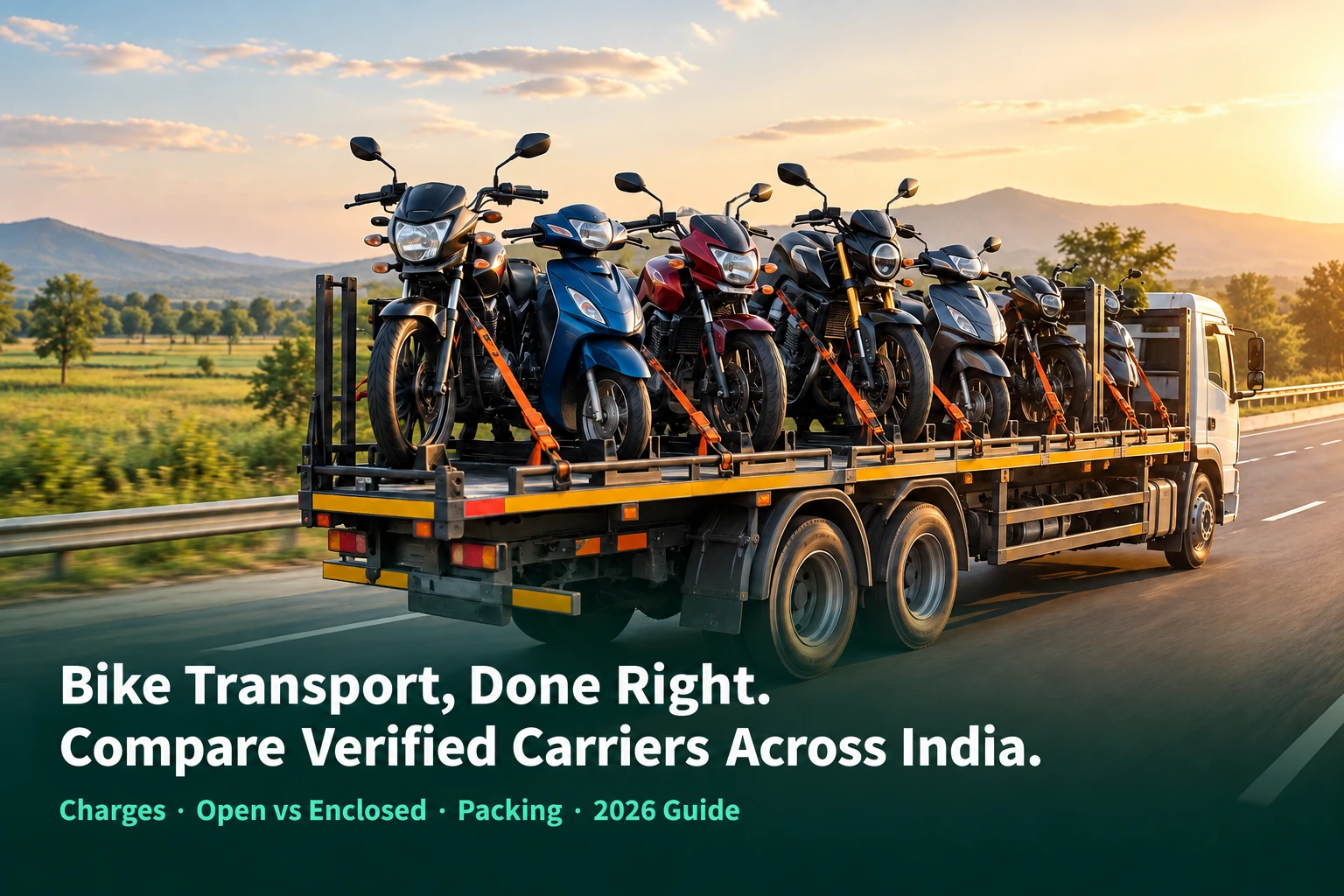
Shipping your car during monsoon season in India is a separate challenge from household shifting — and one that most blogs completely ignore. Here is what you need to know, city by city.
If you are transferring cities for work and flying ahead while your car is transported separately, the monsoon adds real risks to the route. Open carriers expose your vehicle to rain, hail, road debris, and rusting — and India's monsoon highways are some of the most challenging driving conditions of the year.
The single most important rule for monsoon car transport: always choose an enclosed carrier. Open carriers are cheaper by ₹2,000–₹4,000 but leave your car fully exposed to rain, debris kicked up by highway trucks, and flooding risk during loading/unloading. Between June and September, the extra cost of an enclosed carrier is non-negotiable.
Mumbai – Car Transportation During Monsoon
Mumbai is India's most challenging city for car transportation during monsoon. The city receives 2,500 mm of rainfall between June and September — more than most Indian cities see in an entire year. Key risks for car transport in and out of Mumbai during monsoon:
- Western Express Highway and Eastern Express Highway flood regularly during heavy rain — transit trucks can be delayed by 4–8 hours on bad days
- Thane Creek and Vashi bridge approaches are known flooding hotspots that affect trucks moving toward Navi Mumbai and Pune
- Loading and unloading at high-rises in areas like Andheri, Bandra, and Powai becomes dangerous on wet days — confirm your carrier can access your building's vehicle ramp safely
For car transportation in Mumbai during monsoon, always book an enclosed carrier, add transit insurance covering at least ₹5 lakh, and confirm GPS tracking access before the truck leaves. ShiftEazy connects you with verified car transporters in Mumbai who are experienced in monsoon-safe vehicle handling.
Delhi NCR – Car Transportation During Monsoon
Delhi's monsoon (July–August) brings waterlogged underpasses, flooded colonies, and severe traffic congestion on the NH-48 and NH-44 corridors. For car transport from Delhi to other cities during monsoon:
- NH-48 (Delhi to Mumbai/Pune) passes through Rajasthan and Gujarat — both receive heavy monsoon rainfall in July–August, and sections near Udaipur and Vadodara can see temporary flooding
- NH-44 (Delhi to Hyderabad/Bangalore) passes through Vidarbha and Telangana — both receive intense rainfall, and highway diversions are common
- Month-end July and August are the worst time to ship a car from Delhi — demand spikes and availability of enclosed carriers drops sharply
Book your car transportation from Delhi at least 2–3 weeks ahead during monsoon months. Confirm the carrier type in writing before booking.
ShiftEazy's verified network covers all major Delhi NCR routes — compare packers and movers in Delhi and choose a monsoon-certified transporter with GPS tracking and an enclosed carrier confirmed.
Bangalore – Car Transportation During Monsoon
Bangalore receives heavy monsoon rainfall from June to October — one of the longest monsoon windows of any major Indian city. Key considerations for car transport in Bangalore during monsoon:
- Outer Ring Road, Sarjapur Road, and Whitefield areas are known for severe waterlogging — loading and unloading in these areas on heavy rain days should be scheduled for early morning before the rain builds
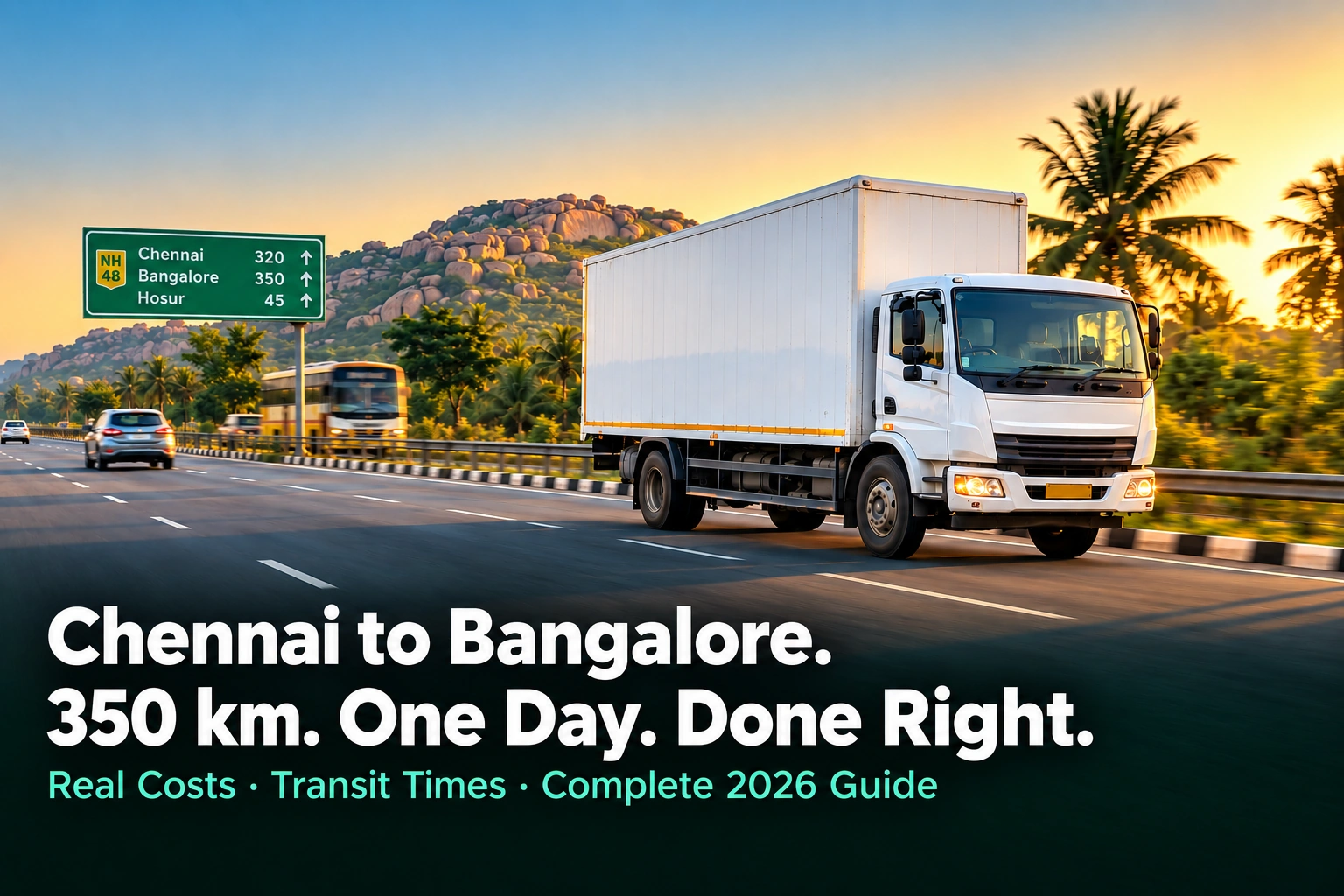
- Bangalore to Hyderabad (NH-44) and Bangalore to Chennai (NH-48) routes pass through areas that receive intense rainfall — transit time can extend by 1–2 days
- Basement parking buildings in Koramangala, Indiranagar, and HSR Layout often flood during heavy rain — always coordinate with your housing society about safe vehicle retrieval before your carrier arrives
For monsoon car transport in Bangalore, always insist on enclosed carriers and real-time GPS tracking. Compare verified car transportation in Bangalore providers on ShiftEazy – all vetted for monsoon-safe vehicle handling.
Hyderabad – Car Transportation During Monsoon
Hyderabad's monsoon (June–September) brings heavy and sometimes sudden rainfall. The city's older areas — Secunderabad, Begumpet, and Mehdipatnam — are particularly prone to waterlogging. For car transport in and out of Hyderabad during monsoon:
- Outer Ring Road (ORR) remains relatively safe for truck movement — prefer carriers that use ORR rather than inner-city routes during heavy rain
- Hyderabad to Pune (NH-65) passes through areas of Maharashtra that see intense monsoon rainfall in July — transit delays of 1–2 days are common
- Loading during afternoon hours in Hyderabad is particularly risky in monsoon — Hyderabad's heaviest rains tend to fall between 3 PM and 7 PM. For Hyderabad monsoon car transport, schedule all loading and unloading for early morning and always confirm enclosed carrier availability in advance. Compare packers and movers in Hyderabad on ShiftEazy for monsoon-ready options.
Chennai – Car Transportation During Monsoon
Chennai is the exception in this list. The city's primary rain season is the north-east monsoon—October to December—not the June–September south-west monsoon that affects the rest of India. If you are shipping a car to or from Chennai:
- June to September: Relatively dry in Chennai — actually one of the better windows for car transport to/from Chennai
- October to December: Chennai's real danger zone — heavy north-east monsoon rainfall, severe flooding risk on GST Road and Old Mahabalipuram Road (OMR), and potential for flash flooding in low-lying areas like Velachery and Tambaram
- Apply every monsoon car transport rule from this guide during Chennai's October–December window
Key Monsoon Car Transportation Checklist — Moving During Monsoons in India
Before handing over your vehicle to any transporter during monsoon, run through this:
- Enclosed carrier confirmed in writing — not open trailer
- Transit insurance policy document received — not just a receipt
- GPS tracking link shared with you directly
- Driver contact number confirmed before departure
- Vehicle photographed in detail before handover — every panel, every angle
- Fuel level noted (keep it under half tank for transport)
- All personal belongings removed from the car
- Soft-top convertibles — additional waterproof cover mandatory
Not every mover in India is equipped for monsoon shifting. Here is what to ask before you book:
- Do you use enclosed trucks for all monsoon moves?
- Do you carry waterproof stretch film, silica gel sachets, and waterproof tape as standard?
- Does your quote include a free reschedule for red-alert weather days?
- Do you provide GPS tracking access to the customer — not just internally?
- Can you show me your transit insurance policy document, not just a receipt?
A mover who hesitates or gives vague answers to any of these questions is not monsoon-ready, regardless of how good their Google reviews look.
ShiftEazy's network of 1,120+ verified transporters includes movers who are specifically experienced in monsoon relocations across India. When you compare quotes on ShiftEazy, you can ask these questions to each mover before choosing — and pick the one who gives you the clearest, most confident answers.
FAQs – Moving During Monsoon in India
Q1. Is moving during monsoon in India safe?
Yes, if you plan properly and use a mover with monsoon-specific experience and equipment. The main risks are water damage to belongings, transport delays due to flooded roads, and slippery loading/unloading conditions. All three are manageable with waterproof packing, enclosed trucks, advance booking, and transit insurance. The biggest mistake is treating a monsoon move like a regular dry-season move.
Q2. Which packing materials are essential for a monsoon move?
Waterproof stretch film (heavy-duty plastic wrap), double-walled corrugated cartons sealed with waterproof tape, silica gel sachets for electronics and books, heavy-duty bubble wrap, and reinforced polythene tarpaulins for covering the truck load. Standard cardboard boxes alone are not sufficient — they soften and collapse in sustained humidity.
Q3. Which months are the riskiest for a monsoon move in India?
July and August are the peak monsoon months across most of India — Mumbai, Bengaluru, Kolkata, Hyderabad, and Delhi NCR all see their heaviest rainfall during this window. If you can avoid moving during this period, do. If you cannot, the 11 tips in this guide apply even more strictly. Book 3 weeks ahead, insist on enclosed trucks, and always have a backup date available.
Q4. Does moving during the monsoon in India cost more?
Yes, typically by 15–25%. Movers charge a premium during monsoon for additional waterproof packing materials, longer transit times, and higher operational risk. Month-end dates in monsoon months see the highest premiums. Comparing quotes from multiple verified movers on ShiftEazy ensures you pay a fair monsoon rate — not an inflated one.
Q5. What items are most at risk during a monsoon move?
Electronics (TVs, laptops, washing machines, refrigerators), MDF and engineered wood furniture (wardrobes, modular kitchen units, TV units), upholstered sofas and mattresses, books and documents, artwork and photographs, and wooden furniture are all high-risk items in monsoon conditions. Each requires specific waterproof packing — not just a generic plastic sheet thrown over it.
Q6. What should I do if my truck gets delayed due to monsoon flooding?
First, confirm the truck's GPS location through the tracking link your mover should have provided. Contact your mover's customer service immediately for a revised delivery estimate. If the delay extends beyond 24 hours, document everything in writing via WhatsApp or email. If you booked through ShiftEazy, call us at +91-9599100937, and we will follow up with the transporter on your behalf. This is one of the key advantages of booking through a verified platform rather than directly with an unverified mover.
Q7. Is transit insurance more important during monsoon?
Significantly more important. The risk of water damage, road accidents on wet highways, and mechanical breakdowns is genuinely elevated between June and September. Transit insurance is not expensive — typically ₹500–₹2,000 for most household moves — and the peace of mind it provides during a monsoon intercity move is worth every rupee. Always verify the policy document and coverage amount before your move date.
Q8. How do I find a monsoon-experienced mover in my city?
Ask the specific questions listed in the "How to Choose a Monsoon-Ready Mover" section above. Use a verified platform like ShiftEazy, where every listed transporter has been checked for credentials, insurance, and customer track record — so you are not starting from scratch with an unknown mover during your most challenging move of the year.
Move Smart This Monsoon
Monsoon shifting does not have to be a disaster story. With the right mover, the right packing, and a plan for the weather, thousands of families across India move safely every rainy season.
The difference between a smooth monsoon move and a costly one almost always comes down to one thing: how much you prepared and how carefully you chose your mover.